Posts

Dragon Fruit Farming - Growing & Care

Image
Dragon fruit is a unique and nutritious fruit that grows well in many parts of India, especially Tamil Nadu. It offers good returns and fits well with organic farming methods. I want to share practical steps and tips for growing dragon fruit successfully. This guide helps farmers, dairy farmers, and home gardeners adopt sustainable practices and improve their yields. Understanding Growing Dragon Fruit in Tamil Nadu Growing dragon fruit requires knowledge of the plant’s needs and the local climate. Tamil Nadu’s warm weather suits this cactus species well. The plant thrives in temperatures between 20°C and 35°C. It needs a frost-free environment and moderate humidity. The soil should be well-drained and sandy loam or loamy soil is ideal. Avoid heavy clay soils that retain water. Dragon fruit plants need a pH between 6 and 7.5. You can improve soil by adding organic compost or well-rotted manure. Planting dragon fruit in raised beds or mounds helps with drainage. Space the plants about...
Image
To plant Arecanut in your farm, choose well-drained soil with good rainfall, dig pits of about 60 cm³, fill with topsoil and organic matter, and plant seedlings at 2.7 m × 2.7 m spacing. Keep the area shaded, irrigated, and free from waterlogging Step-by-Step Guide to Planting Arecanut Palm: Step 1: Climate & Soil Needs Best growth occurs in warm, humid climates with temperatures between 15°C and 35°C. Requires consistent rainfall throughout the year. Prefers deep, fertile, well-drained soils such as laterite, red loam, or alluvial types. Can be cultivated up to 1000 meters above sea level. Step 2: Preparing the Site Select a spot with partial shade and protection from strong winds. Avoid low-lying areas where water may stagnate. Dig pits measuring 60 × 60 × 60 cm during the dry season. Refill pits with topsoil mixed with compost or farmyard manure to enrich fertility. Step 3: Seedlings Use healthy nursery-raised seedlings that are 6–12 months old. Transplant them at ...

Growing Jackfruit: A Comprehensive Guide

Image
Jackfruit is a valuable fruit crop in Tamil Nadu. It provides food, income, and fodder. Growing jackfruit trees can be rewarding if you follow the right steps. This guide covers essential information on planting, caring, and harvesting jackfruit. It also explains common questions and practical tips for success. Jackfruit Cultivation Tips for Healthy Trees To grow strong jackfruit trees, start with good soil and location. Jackfruit prefers well-drained, fertile soil with a pH between 6 and 7.5. Choose a sunny spot with space for the tree to grow large. Avoid waterlogged areas. Plant jackfruit saplings during the early monsoon season. This timing helps the tree establish roots with natural rainfall. Dig a hole twice the size of the root ball. Mix compost or organic manure into the soil before planting. Water the sapling regularly for the first year. Keep the soil moist but not soggy. Mulch around the base to retain moisture and control weeds. Fertilize with organic compost or balanced...

Maximizing Yield with Coconut Farming Techniques

Image
Coconut farming is a vital agricultural activity in Tamil Nadu. It provides income and supports many families. To increase productivity, farmers must adopt innovative coconut farming methods. These methods improve yield, reduce costs, and promote sustainability. I will share practical steps and techniques that help maximize coconut production effectively. Understanding Soil and Climate Requirements The first step in successful coconut farming is selecting the right soil and climate. Coconut palms grow best in sandy loam or alluvial soil with good drainage. Avoid waterlogged or heavy clay soils. The ideal pH range is 5.0 to 8.0. Tamil Nadu’s coastal and delta regions offer suitable conditions. Coconut palms need a warm, humid climate with temperatures between 27°C and 32°C. Annual rainfall should be 1000 to 3000 mm, well distributed throughout the year. To prepare the land: Clear weeds and debris. Plow the soil to a depth of 30-40 cm. Add organic manure or compost to improve soil fe...

Tomato Seed Germination: What to Expect Day-by-Day

Image
Growing tomatoes from seed is a rewarding process. It allows you to select the best varieties and control the quality of your plants. I will guide you through each step to help you get started with confidence. This guide suits farmers, dairy farmers, and home gardeners in Tamil Nadu who want to adopt organic and sustainable practices. Preparing for Tomato Seed Planting Guide Before you start, gather all necessary materials. You will need: Quality tomato seeds (choose organic if possible) Seed trays or small pots with drainage holes Seed starting mix or light potting soil A spray bottle for watering Clear plastic cover or plastic wrap Labels and a marker Choose a location with good natural light or prepare a grow light setup. Tomatoes need warmth and light to germinate and grow well. Clean your seed trays or pots to prevent disease. Fill them with seed starting mix, leaving about half an inch from the top. Moisten the soil lightly with water using the spray bottle. The soil should be...

Organic Pesticide Preparation Made Easy

Image
Pest control is a major concern for anyone growing crops or maintaining a garden. Using chemical pesticides can harm the environment, soil health, and beneficial insects. I prefer to use natural methods that protect plants without causing damage. Making your own organic pesticide is easy and affordable. It also supports sustainable farming practices. In this post, I share practical tips and clear instructions to prepare and use homemade organic pesticides effectively. Why Choose Homemade Organic Pesticide Tips? Choosing homemade organic pesticides has many benefits. First, they reduce chemical residues on crops. This is important for health and safety. Second, they help maintain soil fertility by avoiding toxic substances. Third, they protect beneficial insects like bees and earthworms. Finally, homemade pesticides are cost-effective and use ingredients you can find locally. For farmers and gardeners in Tamil Nadu, these tips fit well with local resources and climate. You can use com...
Image
Growing papaya can be a rewarding venture. It provides fresh fruit and a good income source. To get the best results, you need to follow effective papaya farming practices. I will share clear steps and tips to help you increase your papaya yield. These methods suit farmers, dairy farmers, and home gardeners in Tamil Nadu who want to grow papaya successfully. Choosing the Right Site and Soil Preparation The first step in papaya farming is selecting the right site. Papaya plants need plenty of sunlight and well-drained soil. Choose a location that gets at least 6 to 8 hours of direct sunlight daily. Avoid low-lying areas where water can collect, as papaya roots do not like waterlogging. Soil preparation is crucial. Papayas grow best in sandy loam or loamy soil with a pH between 6.0 and 6.5. Before planting, clear the land of weeds and debris. Plow the soil to a depth of 12 to 15 inches to loosen it. Add organic matter such as well-rotted farmyard manure or compost to improve soil ferti...
Image
How to propagate Dragon Fruit plants: Dragon fruit or Pitaya grows well in warm-winter climates They can be propagated from seeds and also from stem cuttings but the best way to propagate is from stem cuttings. Propagating from seeds to fruit production make take seven years To propagate stem cuttings, obtain a 6 to 15 inch stem segment. After that, dip the cutting into a root hormone and then plant directly in the garden or in a well-draining soil in a container. Water the cuttings thoroughly to allow the soil to settle It may take a few weeks for them to begin generating roots and you start to see new top growth as well. Once these develop roots, we’ll transplant them to larger pots closer to concrete pillar or post for support Irrigation for Dragon Fruit plants: Dragon fruit plants require less water compared to other plants. Under normal conditions, Dragon Fruit plants should be watered about once every two weeks However during flowering, fruit development and hot dry climatic...

How to fertilize Coconut tree with New Leaf Organic fertilizer?

Image
Coconut tree is a heavy feeder and requires balanced NPK fertilizer. A young Coconut tree can be fertilized every once every 6 months and mature can be fertilized every 3 months New Leaf organic fertilizer is rich in Cow and Chicken Manure, Vermicompost, Rock Phosphate, Seaweed, Alfaalfa, Aloe Vera, Neem oil cake, Castor oil cake, Bentonite powder, Natural amino acids, Natural Micronutrients and Coco Peat powder First we are going a create a circular ring around the Coconut tree at a radius of 2 to 3 feet and do not disturb the roots Apply 5 Kgs of New Leaf organic fertilizer around the tree. Spread the fertilizer evenly and do not mound against the trunk. After completing fertilization, cover them with the removed soil After fertilization, tree will be healthy, with lush, dark-green foliage and fruits Coconut tree fertilizing can also be done through the drip irrigation Finally irrigate the soil and keep the soil the most.

What is the best fertilizer for coconut trees?

Image
Farm Organic wastes such as manures of Cow, Buffalo, Goat, Pig and Chicken is good for Coconut Trees. They provide essential nutrients and improve soil structure and water-holding capacity. Organic fertilizers release nutrients slowly, ensuring a continuous supply to the trees. Vermicompost can also be use as it improves soil quality and reducing soil erosion, improving drainage, controlling pests and increase crop yields. Apply manures and fertilizers in circular basins of 1.8 m from the base of the Coconut Tree, incorporate and irrigate. Fertilizer rich in Phosphorus can also be applied in the basins through drip when good quality of water is available Liquid fertilizers like Panchagavya, Jeevamurtham, Humic Acid and Seaweed Liquid fertilizer cab be used for foliar feeding. While they can provide an immediate nutrient boost, they may require more frequent applications compared to granular or organic options. Vermicompost for Coconut Trees

What is Vermicompost fertilizer?

Image
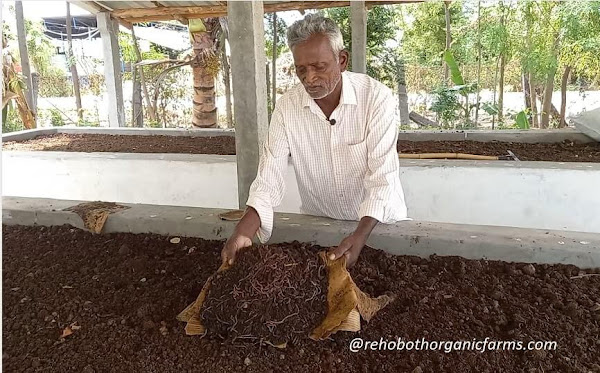
Vermicompost is also known as worm castings. Vermicompost is considered to be one of the highest quality organic fertilizers. Vermicompost is an ideal organic manure for better growth and yield of many plants. It can increase the production of crops and prevent them from harmful pests without polluting the environment. It boosts the nutrients available to plants, helping seeds to germinate more quickly, grow faster, develop better root systems and produce higher yields.

What is Home Gardening?

Image
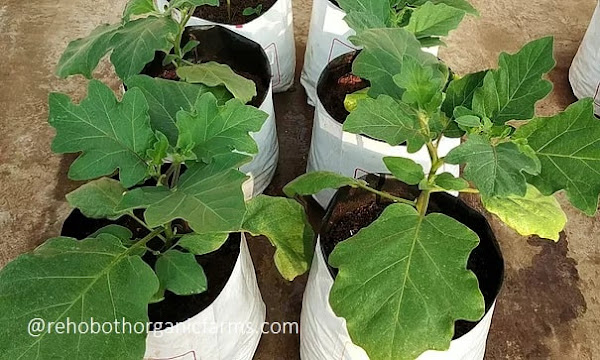
Home gardening plan may include selecting the right location, determining the size of the garden, deciding upon the types and varieties of vegetables to plant. You must select a place where the soil is loose, rich and well-drained Make sure there is a water supply Plant in raised beds with rich soil. Raised beds become more space-efficient by gently rounding the soil to form an arc Avoid planting in square patterns or rows. Instead, stagger the plants by planting in triangles. By doing so, you can fit 10 to 14% more plants in each bed. Stretch your season by covering the beds

What is Red Napier grass?

Image
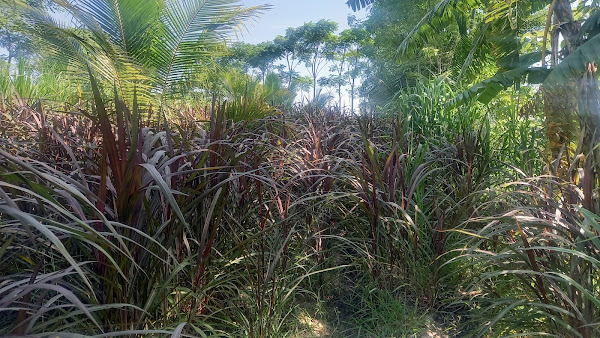
Red Napier is a multi-cut hybrid green fodder grass that can be used for animals like Cow, Buffalo, Goat, Sheep, Pig, Poultry. They are rich source of starch, protein and edible oil. Red Napier produces good quality herbaceous fodder and is highly palatable. Providing sufficient quantities of fodder to the milch animals will increase of milk production of the animals Red Napier

How to fertilize Pomegranate Trees?

Image
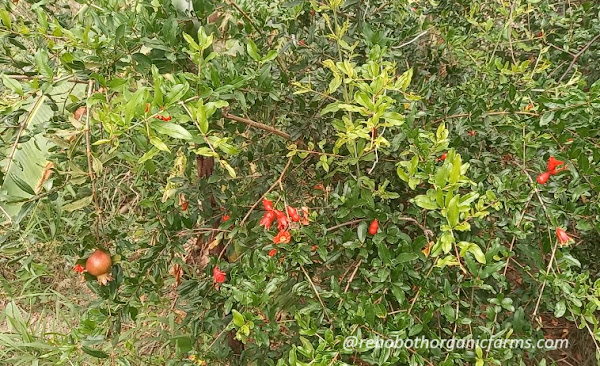
Pomegranate trees will flower and provide fruits throughout the year in central and southern India. Adequate fertilization is important to achieve high yield and increase fruit size and quality. Normally Pomegranate tree will be flowering during June-July, September-October and January-February. However, for securing enhanced production of superior quality fruits as well as profit to the growers, proper fertilization is required. Pomegranate, being an orchard crop, is a heavy feeder of nutrients. They require Nitrogen, Phosphorus, Potassium, Calcium, Magnesium, Sulphur, Iron, Manganese, Zinc, Copper and Boron for better yield. Pomegranate require both micro and macro nutrients to get good yields and best manure will be cattle compost. Well composted Cow Dung Manure is required in the soil for optimal growth of Pomegranate trees. This manure will restore the fertility of the soil. It will also enhance the water holding capacity of the soil and add essential nutrients such as Nitrog...

Vermicompost liquid fertilizer / How to make Vermicompost liquid fertili...

Image

How to make Vermicompost from Cow Dung Manure?

Image
Vermicomposting is an excellent option for reducing your environmental impact and preparing a natural, beneficial soil additive. You will have to create a worm bin where you can put Cow Dung Manure, dry leaves for the worms to feed off and create rich soil. The best spots for Vermicompost pits should be consistent temperature and moisture level. Avoid having the pit where it is very hot. The ideal temperature for the pit will be 30 to 40 degrees Celsius. If possible, create a shed or use green net to reduce the heat You can create a pit as per your requirement and need. Also, you can go with HDPE bag or Cement structure to make vermicompost First apply a layer of dry coconut waste on to the pit. This will be the hiding place for the Worms whenever the ambient temperature increases. Next add a layer of Banana leaves and well chopped Banana trunk. This will retain the moisture content in the Vermicompost pit and will keep the place cool for the worms to reside. Next add a layer of...

Banana Farming - Planting to Harvesting / Organic Banana Cultivation

Image
Lets see, how to plant and grow Banana Tree in the garden. Here we are going to use Banana Rhizome to grow Banana tree Normally banana trees grows well in tropical and subtropical climate. Before planting a banana plant, we need to find a warm, and wind protected space and the right time to plant is well before summer. Banana varieties vary in size and need to be planted accordingly. Most varieties are planted at a gap of 12 feet. Dwarf varieties can be planted 10 to 11 feet apart. First prepare a pit of 1 and half feet wide and 1 feet depth. Larger pits should be used in areas of high wind Next Prepare the soil by adding organic manure mix which consist of cattle manure and neem oil cake powder before planting the banana rhizome. Then add some of the existing soil and am mixing the manure well with the soil. Plant the Rhizome in the centre of the pit and soil around is compacted. Soil around the plant is gently pressed. After planting use some of the existing soil and create ...

Banana Farming - Planting to Harvesting / Organic Banana Cultivation

Image

How to prepare Natural Pesticide for plants in the garden?

Image
Lets see how to prepare organic pesticide at home in natural way. We can use leafs of the plants that is naturally available like Nochi, Usticia adhatoda, Ipomoea Carnea or Neyveli Kattamani, Erukku or Calotropis, Neem Leaf and Tamarind Leafs to prepare this pesticide. Take a bunch of Nochi Leaves for insect repellent & antibacterial properties. Bunch of Justicia adhatoda commonly known Adulsa, Adhatoda, Vasaka Bunch of Ipomoea Carnea, also known as Neyveli Kattimani Bunch of Erukku or Calotropis which is actually considered a weed in India Neem Leaf to repels and kill many caterpillars, thrips, and whitefly. Tamarind Leaves for its antimicrobial, antifungal and antiseptic effects Take the leaves and cut them in smaller pieces to soak them in water Put all the leaves onto a barrel and fill the water. Leaves will start decomposing and the essence will get into the water After 10 to 15 days, the liquid pesticide will be ready for usage. Now lets filter the extra...

Vermicompost preparation in Tamil / How to make Vermicompost / Advantage...

Image